Selling Without Spending: How UK Shops Are Turning WhatsApp Into Their Busiest Sales Channel
Photo: Reinhard Kirchner, CC BY-SA 3.0, via Wikimedia Commons
There's a good chance the most effective sales channel for your favourite local shop isn't Instagram, isn't TikTok, and definitely isn't a boosted post. It's the app already sitting on your home screen with a green icon.
WhatsApp has quietly become the backbone of local selling in the UK. No algorithm deciding who sees what. No ad budget required. Just a direct line to the people who actually want to hear from you — which, in 2025, is worth its weight in gold.
Why WhatsApp Works When Feeds Don't
Every social platform has a middleman: the algorithm. You post, the platform decides who sees it, and usually that's a fraction of your followers. WhatsApp flips that. When you send a message to a broadcast list or update your Status, it lands — every time, with every contact.
For a small business, that changes the maths completely. A greengrocer with 300 WhatsApp contacts can shift a crate of strawberries in an afternoon. The same post on Instagram might reach 40 people, half of whom don't even live locally.
There's also the trust factor. WhatsApp feels personal. People have opted in, they've saved your number, and they're chatting with you in the same app they use for their family group. That's a level of intimacy no feed can match.
Three Shops, Three Very Different Playbooks
The greengrocer in Sheffield. Every morning at 7am, Raj updates his WhatsApp Status with a photo of that day's arrivals — handwritten on cardboard, typos and all. No polish, no filters. Customers reply directly to the Status to reserve boxes, and he confirms with a quick message. Roughly 60% of his daily trade now comes through the app before his shutters are even up. His only 'strategy' is consistency: same time, every day, rain or shine.
The hairdresser in Bristol. Sam runs a broadcast list of about 180 clients. When a cancellation pops up, she fires off a message: 'Two slots free this Thursday afternoon — first come, first served.' Empty chairs get filled within the hour. She also uses the list for seasonal reminders (pre-Christmas appointments open now, summer slots filling fast). Her no-show rate has dropped because the reminder is personal, not an email sitting in a spam folder.
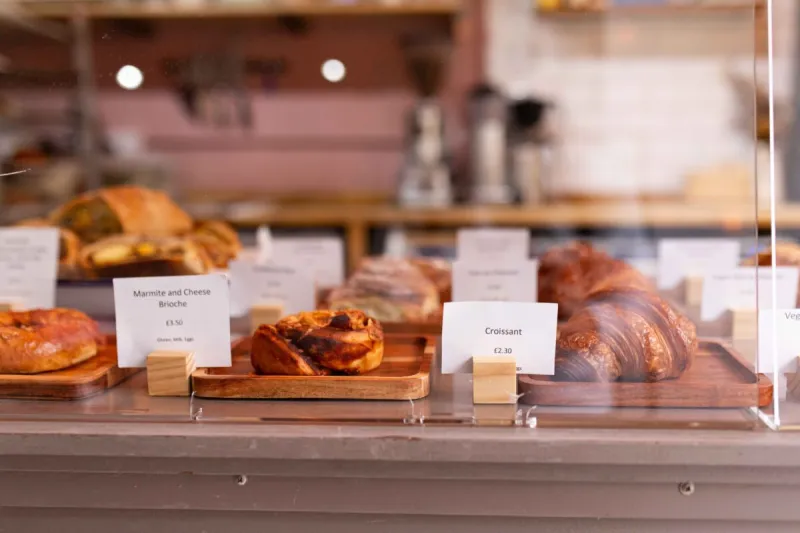
The bakery in Leeds. Priya took it a step further with a WhatsApp Community. It started as a way to take pre-orders for her weekend sourdough, but it's evolved into something closer to a club. Members vote on next week's specials, get first dibs on limited bakes, and — crucially — chat to each other. The Community now does her marketing for her: new members join because existing ones won't stop raving about it.
Setting It Up Without the Headache
The beauty of WhatsApp selling is that the setup is genuinely simple. Here's the sensible starting order:
- Get a WhatsApp Business profile. It's free, and it lets you add a catalogue, opening hours and quick replies. Do this before anything else.
- Grow your list honestly. Add your number to receipts, shop signage, delivery bags and your Instagram bio. Ask at the till: 'Want first look at tomorrow's stock? Just drop us a message.'
- Use Status as your daily shop window. One or two photos a day is plenty. Show stock, show the work, show the faces behind the counter.
- Segment with broadcast lists. Keep separate lists where it makes sense — wholesale customers vs regulars, or Thursday cancellations vs weekend offers. Remember: contacts only receive broadcasts if they've saved your number, so tell people to do exactly that.
- Only graduate to a Community when you've got a reason. A group needs a purpose — pre-orders, member perks, early access. A group for the sake of it goes quiet fast.
One rule worth engraving on the wall: don't spam. WhatsApp is intimate, and over-messaging is the fastest way to get muted or blocked. Two or three valuable touches a week beats a daily barrage.
When WhatsApp Beats Instagram for Local Selling
We're an agency — we love a good Instagram strategy. But there are clear moments when WhatsApp is simply the better tool:
- Repeat purchases. Anything customers buy weekly or monthly (food, hair, flowers, coffee beans) thrives on direct reminders rather than hoping they scroll past you.
- Time-sensitive offers. A cancellation or a surplus of stock needs to land now. WhatsApp delivers instantly; a feed post might surface hours later — or never.
- Zero ad budget. Organic reach on Instagram keeps shrinking for small accounts. WhatsApp reach is 100%, full stop.
- Older or local demographics. Plenty of your best customers — particularly over-45s and people who shop within a mile of home — are on WhatsApp daily and Instagram rarely.
Where Instagram still wins: discovery. WhatsApp keeps existing customers; Instagram finds new ones. The smartest independents we work with use Instagram as the shopfront and WhatsApp as the till.
The Quiet Advantage
There's something refreshingly old-fashioned about it all. No vanity metrics, no chasing trends, no dancing for the algorithm. Just a shopkeeper, a phone, and a list of people who actually want to hear from them.
If you're a small UK business sitting on a customer base and wondering why your posts aren't landing — try meeting them where they already are. Open WhatsApp. Take a photo. Hit send.
Your next regular is one message away.